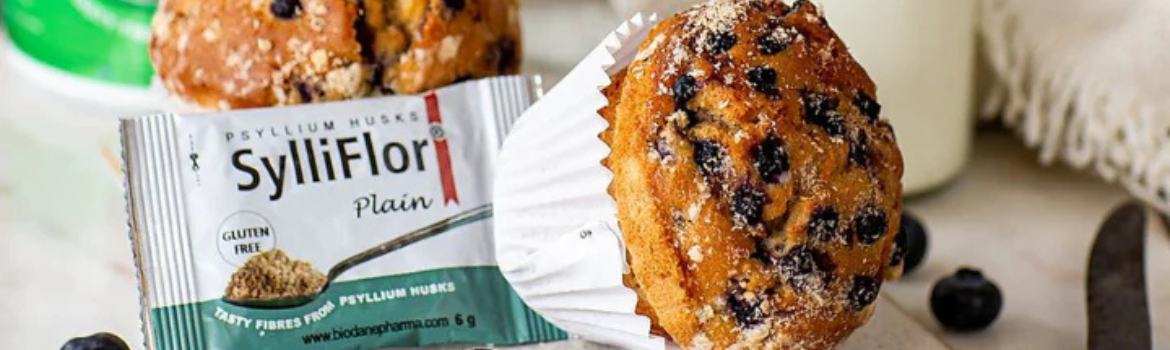
Irritable Bowel Syndrome (IBS) is one of the most common gastrointestinal disorders, affecting approximately one in five adults. Abdominal pain, bloating, diarrhoea or constipation – these symptoms can significantly reduce quality of life. Increasingly, doctors and scientific research indicate that one of the most natural and effective solutions is psyllium – a soluble dietary fibre derived from the husks of plantain seeds.
IBS is a chronic functional bowel disorder. It is not associated with inflammation or structural bowel damage, yet the symptoms are real and debilitating. According to the Rome IV criteria, IBS is classified into four subtypes:
IBS-C – predominantly constipation
IBS-D – predominantly diarrhoea
IBS-M – mixed type
IBS-U – unclassified
Conventional treatment often includes dietary changes, stress management and medication. However, many patients seek more natural, long-term solutions without side effects.
Psyllium is a soluble but non-fermentable dietary fibre. When it comes into contact with water it forms a viscous gel, but does not ferment in the gut and does not cause excess gas – the most common problem with other types of fibre.
1. Improves Gut Microbiota
Studies using 16S rRNA gene sequencing analysis have shown that psyllium positively alters the composition of gut bacteria. In IBS patients, an increase in beneficial bacteria – Lachnospira, Faecalibacterium and Veillonella – was observed. A healthy microbiome is the foundation for reducing IBS symptoms.
2. Reduces Inflammation
IBS is associated with elevated levels of gut inflammation. Psyllium reduces C-reactive protein (CRP) concentrations in the blood and stimulates the production of the anti-inflammatory resolvin D1. Short-chain fatty acids (particularly butyrate), produced during psyllium fermentation, positively affect the enteric nervous system.
3. Regulates Bowel Movements
The psyllium gel both absorbs and retains water, softening stools in cases of constipation, and absorbs excess water to slow diarrhoea. This makes psyllium a bidirectional bowel regulator – a unique property that most other fibre supplements lack.
Gastroenterology journal (2023) – one of the most significant recent studies showed that after 12 weeks of psyllium supplementation, more than 92% of IBS patients reported significant symptom relief. Researchers emphasised that the effect is greatest when an adequate dose (20–25 g per day) is taken with sufficient fluid.
The American College of Gastroenterology recognises psyllium as the only isolated fibre officially recommended for the treatment of IBS.
Systematic review (PubMed, 2022) – 16 randomised controlled trials with 1,251 participants confirmed that psyllium (doses above 10 g per day for at least 4 weeks) is the most effective fibre for bowel regulation.
Start with a low dose – during the first week, take half the recommended dose to allow your gut to adjust.
Drink plenty of water – at least 200–400 ml of liquid per tablespoon of psyllium. This is critically important.
Take it consistently – the benefits of psyllium accumulate. You will notice a difference after 1–2 weeks of regular use.
Do not take with medication – wait at least 1 hour before or 2 hours after taking any medicines.
Monitor your response – some bloating during the first few days is normal and usually passes within a few days.
Not all psyllium products are equal. SYLLIFLOR psyllium husk fibre stands out thanks to its patented manufacturing technology: the psyllium husks are coated with a thin layer of resistant starch and coconut oil. This gives the product unique properties:
Crispy and pleasant texture – does not become sticky or slimy in the mouth like conventional psyllium products
Slow swelling – allows comfortable swallowing before gelification begins
5 flavours – vanilla, cocoa, apple & cinnamon, malt, plain
Gluten-free and vegan – suitable for people with dietary restrictions
Pharmaceutical-grade raw materials – manufactured by Biodane Pharma (Denmark)
SYLLIFLOR is also available in a Calcium version – particularly recommended for those whose IBS presents with diarrhoea symptoms, as calcium helps regulate fluid balance in the gut.
Is psyllium suitable for IBS-D (with diarrhoea)?
Yes. The psyllium gel absorbs excess water in the gut, reducing stool looseness. The SYLLIFLOR Calcium variant is especially recommended.
Is psyllium suitable for IBS-C (with constipation)?
Yes. Psyllium increases stool moisture and bulk, making stools easier to pass.
How long does it take for psyllium to help with IBS?
Most people notice improvement after 1–2 weeks of regular use. The full effect is typically felt after 4–8 weeks.
Can psyllium cause bloating?
Initially – yes, particularly during the first 3–5 days. This is normal. That is why it is recommended to start with a lower dose.
Psyllium is a scientifically supported, natural and long-term tool for managing IBS symptoms. At the right dose and with adequate fluid intake, it can significantly improve gut microbiota, reduce inflammation and normalise bowel function.
→ Try SYLLIFLOR psyllium husk fibre at bonum.lt
This article is for informational purposes only and does not constitute medical advice. Consult your doctor before changing your treatment or starting any supplement.