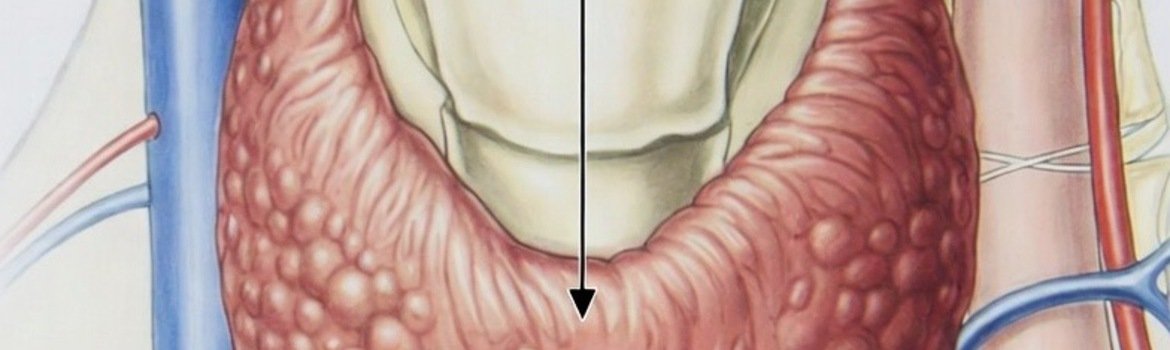
The thyroid gland is a small but extremely important organ of the endocrine system, located at the front of the neck, in front of the trachea. The thyroid gland plays a key role in regulating metabolism, energy production, thermoregulation, growth, and many other bodily functions. Although the thyroid gland is small, its impact on the entire body is significant. In adults, the thyroid gland weighs approximately 15–20 grams and has a butterfly-like shape.
The thyroid gland produces two main hormones – thyroxine (T4) and triiodothyronine (T3), which are essential for normal bodily function. For this reason, thyroid tests are important for the early detection of hormonal imbalances.
Thyroid hormones T3 and T4 are iodinated hormones that regulate energy expenditure, heart rate, heat production, and overall metabolism. Thyroxine (T4) is the primary hormone produced by the thyroid gland; however, it is less biologically active than triiodothyronine (T3).
Most T3 is formed in peripheral tissues, but to assess whether the thyroid gland is functioning properly, regular thyroid tests are required, including measurements of TSH, T4, and T3 levels.
The thyroid gland is a critical endocrine organ whose main function is to produce, store, and release hormones into the bloodstream. When the thyroid gland does not function properly, various health disturbances may occur; therefore, thyroid tests are important both for prevention and diagnosis.
The thyroid gland directly regulates the basal metabolic rate. T3 and T4 hormones increase energy production throughout the body, which is why metabolic changes are often first detected through thyroid tests.
During childhood, the thyroid gland is especially important for brain and bone development. When hormone deficiency is suspected, thyroid tests allow disorders to be identified early and help prevent irreversible consequences.
The thyroid gland affects heart rate and contractility. Excessive or insufficient hormone levels are commonly identified through thyroid tests.
Normal thyroid gland function is essential for nervous system balance. Fatigue, irritability, or difficulty concentrating are often signals that thyroid tests may be needed.
The thyroid gland influences fertility and the course of pregnancy; therefore, thyroid tests are particularly recommended when planning pregnancy.
When the thyroid gland produces too little or too much hormone, disorders develop that can be identified through thyroid tests.
Hypothyroidism occurs when the thyroid gland produces insufficient amounts of hormones. The most common cause is Hashimoto’s thyroiditis. Diagnosis requires comprehensive thyroid tests.
Hyperthyroidism develops when the thyroid gland produces excessive hormones. Graves’ disease is the most common cause, and the condition is confirmed through thyroid tests.
In autoimmune conditions, the thyroid gland is attacked by the immune system. Regular thyroid tests help monitor disease progression.
Nodules in the thyroid gland are often detected through ultrasound-based thyroid tests, and biopsy is performed if malignancy is suspected.
Thyroid tests are the primary diagnostic tool for evaluating hormonal balance. Treatment strategies depend on how the thyroid gland responds to therapy, which is why thyroid tests are repeated during treatment.
Williams Textbook of Endocrinology
Mayo Clinic
The Journal of Clinical Endocrinology & Metabolism
American Thyroid Association