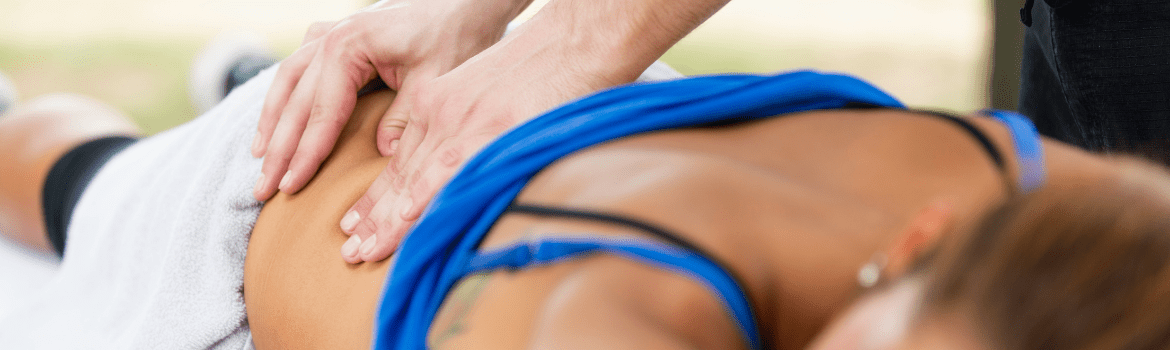
Sports require strength, willpower, and time, but above all—balance between training load and recovery. Even the most disciplined athletes sometimes experience injuries that seem to appear “out of nowhere.” Even worse, when the same injuries keep recurring, slowing progress, reducing motivation, and even forcing temporary breaks from training. This is a clear sign that training alone is not enough—you must consistently care for your body’s recovery, muscle condition, and joint mobility. One of the most effective ways to achieve this is sports massage, which becomes not a luxury but a necessity for anyone who wants to train long-term, sustainably, and without injuries.
Most sports-related injuries don’t happen in one moment – they build up gradually over time. The pain, strain, or joint issues are often the result of:
Muscle imbalance, where certain muscle groups are overused while others are underused
Overtraining without proper recovery, leading to constant tension
Tissue stiffness and reduced elasticity, increasing injury vulnerability
Decreased joint mobility, limiting proper movement patterns
Unnoticed microtraumas, which accumulate and eventually cause significant damage
When injuries recur, the body is signaling that it’s not coping with the load. Training alone is no longer sufficient – recovery strategies must become part of the plan.
Sports massage is an active and targeted type of massage designed specifically for people who engage in physical activity. Unlike relaxation or general therapeutic massage, sports massage is structured, dynamic, and tailored to an athlete’s specific needs – whether it’s preparation for a competition, injury prevention, or muscle recovery.
Key benefits of sports massage include:
Releasing muscle tension and identifying tight areas before they become problematic
Improving blood and lymph circulation, accelerating tissue repair and reducing inflammation
Enhancing joint mobility and tissue flexibility, making the body more resilient to stress
Improving body awareness, helping the athlete recognize signs of fatigue or overuse
With regular sessions, sports massage becomes a tool for early detection of imbalances and a proactive measure to stay injury-free.
Sports massage isn’t just for elite athletes – it’s valuable for anyone who trains regularly or performs repetitive physical activity. It can be used:
Before workouts or competitions, to activate muscles and prevent strain
After intense training, to reduce soreness (DOMS) and support faster recovery
Between training cycles, to help maintain optimal condition
During post-injury rehabilitation, to restore movement and prevent secondary issues
It’s especially helpful for individuals who experience:
Chronic muscle tightness or spasms
Joint, tendon, or back pain
Reduced range of motion or stiffness
Plateaus in performance due to physical limitations
There’s a common misconception that massage is only for relaxation or occasional reward. In reality, sports massage is an active and essential part of an athlete’s routine, much like warm-ups, stretching, or proper nutrition. It’s a performance and prevention strategy.
By incorporating sports massage into your training plan, you can:
Maintain soft tissue elasticity, especially important as we age or increase intensity
Improve proprioception – your body’s awareness in space, crucial for coordination and injury avoidance
Reduce the risk of burnout, especially in highly driven or competitive athletes
It’s not about pampering – it’s about maximizing performance and ensuring long-term athletic health. The better you take care of your body, the more it gives back.
When injuries keep happening, it’s often not just bad luck – it’s a message from your body saying: “I need support.” Sports massage is a smart, natural, and effective way to reduce the risk of injuries, enhance physical performance, and help the body function as it’s meant to.
Taking care of your recovery is not a sign of weakness – it’s a sign of wisdom. And sports massage is one of the smartest choices any athlete, amateur or professional, can make.
„Sports Massage: What to Know“ – Cleveland Clinic
„The Role of Sports Massage in Injury Prevention“ – National Academy of Sports Medicine (NASM)
„Massage for Athletes: Why It Matters“ – American Massage Therapy Association (AMTA)
„Benefits of Sports Massage Therapy“ – Mayo Clinic
„Sports Massage and Recovery“ – Johns Hopkins Medicine
„How Massage Helps Prevent Sports Injuries“ – Medical News Today