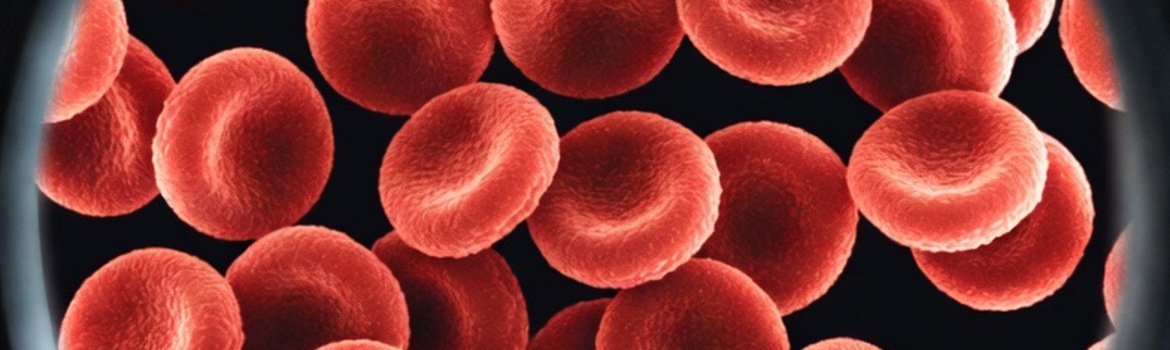
Erythrocytes, also known as red blood cells, are one of the most essential components of human blood, responsible for sustaining vital physiological processes throughout the body. Their primary function is to transport oxygen from the lungs to body tissues and return carbon dioxide back to the lungs, but their role extends far beyond simple gas exchange.
Thanks to their unique structure and composition, erythrocytes support energy production, maintain internal balance, and ensure proper organ function. For this reason, the condition of red blood cells is a key indicator of overall health.
Erythrocytes are characterized by a distinctive biconcave disc shape, which increases their surface area and allows for more efficient gas exchange. This shape also provides flexibility, enabling red blood cells to deform and pass easily through even the narrowest capillaries.
Adult human erythrocytes are atypical cells because they lack a nucleus and other organelles. This structural adaptation allows them to contain a higher concentration of hemoglobin—the protein responsible for binding oxygen and giving blood its red color.
Hemoglobin binds oxygen in the lungs, where oxygen concentration is high, and releases it in tissues that require oxygen for energy production. At the same time, erythrocytes collect carbon dioxide, a metabolic waste product, and transport it back to the lungs for exhalation.
The average lifespan of an erythrocyte is approximately 120 days. Red blood cells are produced in the bone marrow, primarily in the pelvis, ribs, sternum, and long bones. Aging or damaged erythrocytes are broken down in the spleen and liver, where their components are recycled and reused in the production of new blood cells.
This continuous renewal process is essential for maintaining a stable red blood cell count and ensuring efficient oxygen delivery throughout the body.
The importance of erythrocytes for human health is multifaceted:
Oxygen transport, which is essential for cellular energy production
Carbon dioxide removal, preventing excessive acid buildup in the body
Maintenance of acid–base balance, crucial for enzyme activity and organ function
Indirect support of the immune system, as erythrocytes help clear immune complexes from circulation
Even minor impairments in erythrocyte function can negatively affect physical performance, well-being, and overall resilience.
Anemia is one of the most common erythrocyte-related disorders and is characterized by a reduced number of red blood cells or insufficient hemoglobin levels. As a result, tissues receive less oxygen, leading to symptoms such as fatigue, weakness, dizziness, pale skin, and shortness of breath.
Common causes of anemia include:
Iron deficiency
Vitamin B12 or folic acid deficiency
Aplastic anemia, caused by impaired bone marrow function
Hemolytic anemia, in which red blood cells are destroyed faster than they are produced
Polycythemia is the opposite of anemia and is defined by an abnormally high number of red blood cells. This condition increases blood viscosity, slowing circulation and raising the risk of thrombosis.
Types of polycythemia include:
Polycythemia vera, a primary chronic blood disorder
Secondary polycythemia, often caused by prolonged oxygen deprivation, such as from smoking or chronic lung disease
In some cases, the number of red blood cells may be normal, but their function is impaired:
Methemoglobinemia, in which hemoglobin loses its ability to effectively transport oxygen
G6PD deficiency, a lack of an enzyme that protects erythrocytes from oxidative damage
Erythrocytes play a critical role in sustaining life by delivering oxygen, maintaining internal balance, and supporting overall physiological function. Adequate nutrition, including sufficient iron, vitamin B12, and folic acid intake, along with regular blood tests, helps maintain healthy red blood cell function and overall well-being.