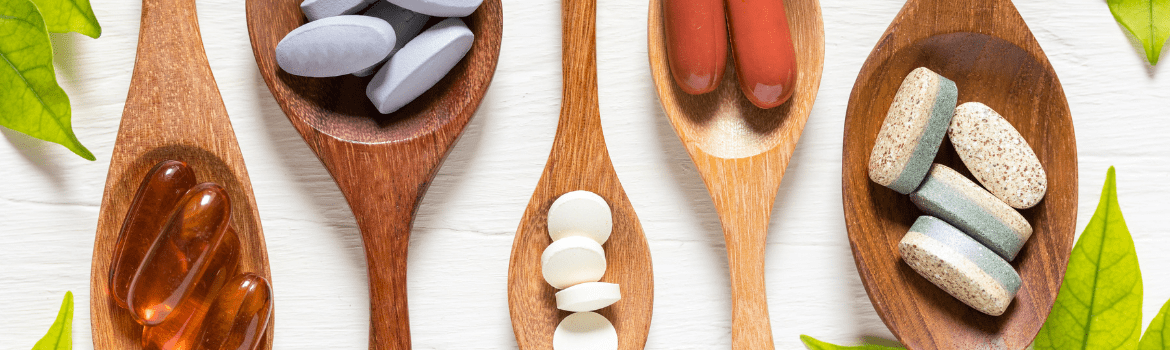
The use of dietary supplements and vitamins helps support a normal immune system (Orthomol, Omnival).
The goal of orthomolecular medicine is to protect against premature aging and slow down the body’s natural aging processes.
The benefits of dietary supplements are especially noticeable for people with diabetes, cardiovascular disease, hypertension, congestive heart failure, age-related cognitive decline, impaired vision, and weakened immune function.
Using dietary supplements in higher-than-standard doses for therapeutic purposes has long been viewed controversially. However, evidence shows that supplements have a significant effect on disease prevention and help protect against accelerated aging caused by free oxygen radicals, inflammation, and glycation.
This literature review examines several well-documented supplements, including vitamins C and E, coenzyme Q10, alpha-lipoic acid, chromium, L-carnitine, and quercetin.
Research demonstrates the benefits of these supplements (Orthomol, Omnival) for individuals with diabetes, cardiovascular disorders, hypertension, congestive heart failure, age-related cognitive decline, visual impairment, immune dysfunction, and other conditions associated with aging.
Containing vitamins, minerals, essential fatty acids, amino acids, flavonoids, herbs, and additional nutrients, these supplements are among the safest and most valuable tools for preventing serious acute and chronic diseases, as well as managing everyday health issues that cause discomfort or disability.
For supplements to work effectively, the dose must be appropriate. While standard recommendations (RDA) help prevent classic deficiency diseases such as scurvy, beriberi, pellagra, or rickets—conditions rare in developed countries—modern problems stem from inadequate nutrition and chronic suboptimal nutrient intake.
To benefit from supplementation, it is often necessary to exceed traditional RDA values and rely on scientific evidence, which frequently supports higher therapeutic doses.
Some nutrients offer particularly strong benefits, such as coenzyme Q10, alpha-lipoic acid, GLA (gamma-linolenic acid), and amino acids including L-arginine, L-carnitine, and L-glutamine. Other compounds—flavonoids and antioxidants—occur naturally in foods, but in concentrated supplemental doses can offer additional health benefits.
Supplements support the body in combating genetic variation, biochemical stress, environmental toxins, free radical damage, UV exposure, ozone, and various health conditions. Aging itself causes biochemical and physiological changes that can be slowed—or sometimes reversed—with proper supplementation.
Orthomolecular medicine focuses on restoring and maintaining health by supplying the body with optimal amounts of substances naturally found in the human organism.
This concept was defined in 1968 by Nobel Prize–winning molecular chemist Linus Pauling. Aging is accelerated by free radicals, chronic inflammation, and toxic environmental exposures (such as heavy metals or industrial chemicals). Orthomolecular therapy aims to counteract or slow these processes while improving overall health.
Growing scientific evidence supports the idea that high-dose nutritional supplementation offers restorative and preventative effects. Vitamins C and E, beta-carotene, B-vitamins, and coenzyme Q10 are among the nutrients shown to offer significant benefits when consumed far above standard RDAs.
Vitamin C (Orthomol, Omnival)
Vitamin C plays an extensive role in metabolic processes. It protects against oxidative stress, is essential for collagen synthesis, reduces age-related skin wrinkling and sagging, and supports mucosal healing, adrenal hormone production, and immune function (including humoral immunity and phagocytosis).
Although the RDA has been increased in recent years, higher doses provide far greater benefits. Multiple studies show reduced blood pressure, improved immune response during infection, faster recovery, and protection against degenerative diseases with doses ranging from 500 mg to 6000 mg daily.
Vitamin C supplementation also significantly lowers the risk of age-related macular degeneration (AREDS study).
Vitamin E includes alpha-, beta-, gamma-, and delta-tocopherols. Although alpha-tocopherol is most commonly studied, gamma-tocopherol also plays a key role.
Vitamin E is a potent antioxidant that helps prevent LDL oxidation and reduces cardiovascular risk. Higher blood levels are associated with healthier blood vessels in older adults. In seniors, 200–800 IU per day strengthens immune function and reduces respiratory infections.
AREDS trials also proved its benefit for slowing macular degeneration.
CoQ10 is essential for mitochondrial energy production. Its levels naturally decline with age. It supports heart function, reduces blood pressure, improves symptoms of congestive heart failure, and protects the brain from degenerative diseases.
Typical doses range from 100 mg to 400 mg daily; higher doses are used for neurological disorders.
ALA works in both water- and fat-soluble cellular environments. It detoxifies heavy metals, protects nerve tissue, and is highly effective in early diabetic neuropathy. It also improves blood sugar control.
Chromium
Chromium regulates blood glucose and lipid levels. Higher doses (up to 1000 mcg) significantly improve blood sugar control in people with type 2 diabetes and increase insulin sensitivity.
L-Carnitine
L-carnitine enables fatty acid transport into mitochondria for energy production. Supplementation benefits the heart, especially after myocardial infarction and in cases of heart failure.
Quercetin
A flavonoid that stabilizes mast cells and reduces histamine release, supporting allergy control. It also helps prevent cataracts and may reduce inflammation.
With a solid understanding of nutritional science, many health problems can be prevented. When used in appropriate doses, supplements are safe, effective, and a valuable component of a comprehensive health program alongside proper diet, exercise, and stress management.
Prepared by: Dr. Valdas Mulevičius
All content on www.bonum.lt is the property of UAB “FD Group.” Reproduction, public distribution, or archiving on external servers without written permission is prohibited.