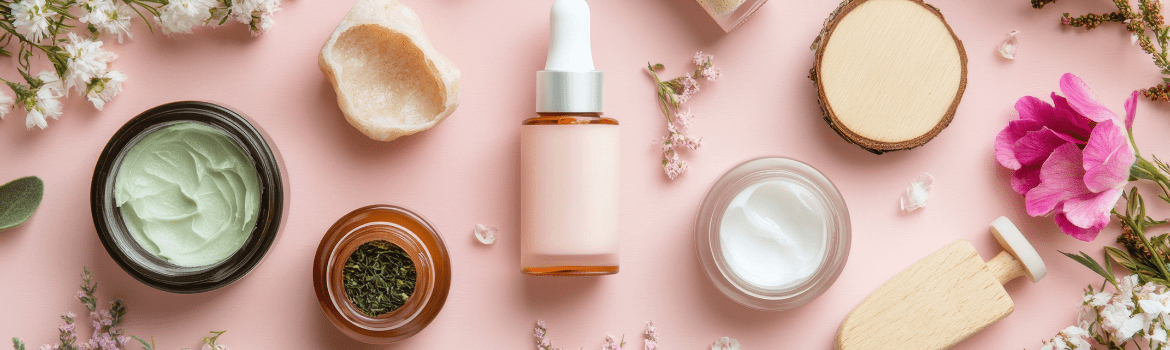
Say goodbye to the dullness your skin developed over winter by exfoliating and moisturizing it, then welcome spring with lighter cleansers and hydrating creams.
As soon as the first signs of spring appear, we instantly feel better emotionally—and your skin loves this season too. “When winter shifts into spring, the usual cold, dry air affects the skin far less. Humidity rises, temperatures increase, and sun exposure becomes stronger,” explains board-certified dermatologist and medical doctor Blaire Murphy-Rose from the Medical Dermatology and Cosmetic Surgery Center in New York.
Because of these changes, your skincare routine should be adjusted from several angles: first, pay attention to the products you should use year-round, such as sunscreen or a moisturizer with SPF, and then decide what new skincare items to include as the weather warms,” says board-certified dermatologist and MD Michelle Farber from Schweiger Dermatology Group in New York. “As humidity rises and sweating increases, you’ll need to change how you manage acne and anti-aging care,” she adds.
Once you know what needs to change in your spring skincare routine, the next step is figuring out how to do it. In this article, we share seven expert-approved tips to help your skin glow throughout spring, tailored to your skin type and specific concerns.
Winter has a way of stealing your natural glow, and it’s time to reintroduce yourself to a more vibrant skin tone come spring. “To get rid of dry, dull, and sometimes flaky skin, I recommend a combination of moisturization and exfoliation,” says Dr. Murphy-Rose. A gentle hydrating mask once or twice a week will infuse skin with the moisture it needs to recover from parching winter winds and will help other dermatological cosmetics reach the deeper layers of your skin.
As Murphy-Rose mentioned, exfoliation is critical for removing the layer of dead skin cells that makes skin appear sallow and feel flaky. “Exfoliation will bring a fresh layer of skin to the surface. Your complexion will be brighter, and there’s the added benefit that your skin-care and dermatological cosmetics will be more readily absorbed, and thus will work better,” she says. Gentle chemical-based exfoliants are less likely to cause irritation compared with harsh scrubs. If you’ve been using a creamy cleanser, switch to a cleanser with alpha- or beta-hydroxy acids, such as Glytone Mild Cream Cleanser. Look for glycolic or lactic acid; those with salicylic acid are best for acne-prone complexions.
In winter, your skin needs all the help it can get when it comes to hydration. Now for spring, you may be emerging from hibernation and spending more time outdoors, which means you’re probably sweating more, says Dr. Farber. If you have oily or acne-prone skin, you’ll want to consider making the change to a gel-based moisturizer, which is generally lighter weight and less likely to plug pores than those formulated with oil.
On the other hand, if you have sensitive skin, you might want to keep using a thicker, richer cream to more readily lock in moisture and preserve skin’s protective barrier. If yours is the type that is both sensitive and acne-prone, look for moisturizers that are oil-free or noncomedogenic, which means it won’t plug up pores. One example: Neutrogena Oil-Free Facial Moisturizer.
“Make these modifications based on how your skin is feeling. Also remember that early and late spring can be very different from each other in terms of weather, so you may need to make adjustments based on the temperature changes in your area,” she says.
Retinoids, which are vitamin A derivatives, are the mainstay of a healthy skin-care routine because they increase cellular turnover on skin to make your complexion appear brighter and fresher and, according to a review published in June 2019 in the American Journal of Clinical Dermatology, keep pores clear to treat acne. Retinoids also bolster collagen production to help smooth lines and wrinkles, per Harvard Health. That said, they have the unfortunate effect of causing unpleasant side effects in some people, namely dryness or flakiness, as your skin gets used to the increased cellular turnover. Because of that, you may have found that your skin was generally too dry in winter to handle a retinoid or you could use it only once a week or so.
Now that spring is here, though, it’s time to consider using a retinoid or retinol (a weaker form of retinoid) more often, says Adarsh Vijay Mudgil, medical doctor of Mudgil Dermatology in New York City. “Warmer weather months allow skin to tolerate more frequent application, and the more you can use a retinoid, the more benefits — to skin cell turnover, collagen stimulation, reduced pore size — you’ll get,” he says. Continue to ramp up slowly. For example, if you’ve been using it twice a week, go to three, then reevaluate how your skin responds. The goal is to get to daily use, or as close to daily as possible without experiencing side effects, he says. Applying a moisturizer over your retinoid will help combat dryness and flakiness, adds Farber.
Retinoids are prescribed by your dermatologist. You can also use a retinol, a generally weaker version of a retinoid; they are available over-the-counter. This can be a good option if you’re new to this family of active ingredients, as retinols generally cause fewer side effects.
Many people find that cold winter winds trigger redness and irritation if they’re managing rosacea, says Murphy-Rose. She recommends calming skin for spring by using cosmetics and moisturizers that contain anti-inflammatory ingredients, like niacinamide, aloe, vitamin C, or cucumber.
It’s not prime beach season yet. That said, you still may want to look the part. For a glow without the sun damage, Murphy-Rose recommends applying a DHA self-tanner cosmetics. These lotions and cosmetics contain the ingredient dihydroxyacetone (DHA), an additive that reacts with the cells in skin’s outer layer to temporarily darken your color, according to the Mayo Clinic. They won’t protect you from the sun (you still need that sunscreen and face cream with SPF), but they are safe to use.
Dermatologists will tell you to wear sunscreen or face cream with SPF on exposed areas of skin every day, no matter the temperature or weather. The reality is, they know you don’t always abide by that rule. If you live in a northern climate and were bundled up for winter and rarely outside, you may have gotten out of the habit of wearing sunscreen or face cream with SPF. Spring is the time to get a new bottle and start using it again. “In the spring, people are outdoors more, but the weather isn’t summer-hot yet, so people discount how strong the sun is and don’t protect themselves sufficiently,” says Murphy-Rose. Therefore, your risk of sun damage may be even higher in the spring, she says.
To choose the most effective sunscreen or a face cream with SPF, go for an SPF 30 and look for one considered a “physical sunscreen,” which contains titanium or zinc oxide, suggests Dr. Mudgil. Active ingredients in physical sunscreens physically block UV rays, as opposed to chemical sunscreens, which absorb these rays, according to the American Academy of Dermatology. (Avobenzone or octocrylene are two examples of ingredients in chemical sunscreens.). “Chemical sunscreens and face creams with SPF are great for preventing skin cancer, but they’re not the greatest for protecting against photoaging. Physical sunscreens accomplish both goals,” he says.