While 8% of the general population may be infected with toenail fungus, the number reaches as high as 30% among those with diabetes. High blood sugar levels alter immunity or resistance to fungal infection, making foot care an important key to maintaining overall good health for everyone with Type 2 diabetes. Toenail fungus is not, in itself, a sign of diabetes, but diabetics are more susceptible to toenail fungus.
Nail fungus, also known as onychomycosis (on-ih-koh-my-KOH-sis), is a common foot infection that begins as a white or yellow spot under the tip of the nail. A type of fungus called dermatophyte is the most common cause of nail infections, but yeast and molds are also sources. Left untreated, the fungal infection will penetrate the nail and cause nail discoloration, brittleness, and crumbling around the edges. It may even infect other nails. When fungus infects the areas between your toes and the skin of your feet, it’s called athlete’s foot, or tinea pedis, and be aware that a toenail fungus reinfection can arise from this. If you have a history of athlete’s foot infection, your risk of developing a nail fungal infection increases. But don’t worry about picking up this infection from another person, since that rarely happens.
Because nail fungus may recur even after successful treatment, daily foot care is a habit worth cultivating, especially if you are a diabetic patient, have a weakened immune system, or have poor circulation. Older people are at risk for developing nail fungal infections simply because they may have more years of exposure to fungi and have slower growing toenails. Other factors may exacerbate risk of infection, including heavy foot sweating, blisters, foot ulcers, and walking barefoot around swimming pools or public shower rooms.
Pay attention to diabetic health care risk factors like reduced blood flow and circulation to your feet, which may encourage fungal infection. Untreated, toenail onychomycosis can become painful and even cause permanent damage to your nails. Because you’re already at risk for cellulitis (a bacterial skin infection), even a minor injury to your feet, including fungal nail infections, can lead to serious complications and, in severe cases, even nerve damage. Good foot care is a vital part of good health care for every diabetic.
Because diabetics are at higher risk of contracting nail fungus infections, they are also more likely to suffer secondary bacterial infections, foot ulcers, cellulitis, gangrene, and lower-limb amputation. If blood flow is reduced because of peripheral vascular disease all of these conditions may worsen. If you are diabetic and think you’ve developed nail fungus, see your doctor, podiatrist, or dermatology professional. They’re versed in protocols set forth by The American Diabetes Association to ensure diabetic foot health.
As we have seen, Type 2 diabetes care demands attention to medical needs and foot hygiene, especially when a foot infection or toenail fungus develops. But these infections also impact one’s self-esteem, social life, and even relationships and productivity in the workplace. Symptoms of nail decay, the possibility of spreading infection to colleagues or family members, and a perceived lack of cleanliness are powerful sources of embarrassment and shame. Left untreated, fungal infections and bacterial infections are both physically and emotionally damaging.
There are effective treatment options available, including topical cream medications. Topical cream is a good topical treatment for mild to moderate nail fungus infections. Over the counter terbinafine tablets and cream (Lamisil) address fingernail and toenail fungus in children and adults. The most commonly prescribed oral treatment for severe cases, Lamisil, is used by nearly three-quarters of patients suffering from toenail fungus infections. Tea tree oil may be an effective antifungal agent to treat athlete’s foot and nail fungus, but more research is needed and a visit to your doctor is advised if you suspect infection. Keep in mind that oral medications may not be suitable for some patients because of side effects from interactions with other drugs they are taking or from the presence of liver disease. No matter the type of treatment prescribed, because of the slow rate of healthy toenail growth, positive effects won’t be visible for 12 to 18 months.
If your feet aren’t healthy it’s going to be more difficult for you to maintain overall good health. Foot problems may arise at any time, but if you’re attentive to good foot care and hygiene you’ll catch any sign of toenail fungus infection right away. It’s important to find and treat a stubborn nail fungus in its early stages. Your first step should always be to see your doctor, podiatrist, or dermatologist as soon as you notice nail discoloration, brittleness, change in toenail shape, or a slightly foul odor.
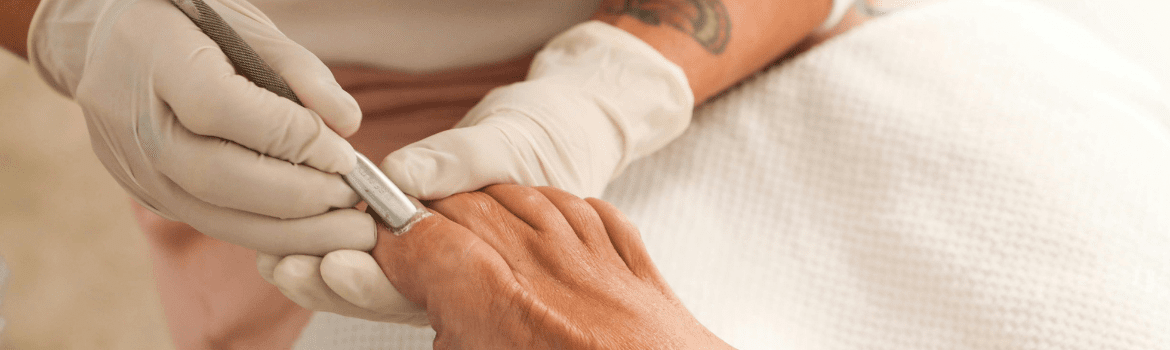
Daily nail care begins with hand and foot washing, drying, and moisturizing – and be strict about washing your hands after touching any infected nail. Trim nails straight across, file edges and any thickened areas, and disinfect nail clippers after each use. Ingrown toenails may require the attention of a podiatrist. If you rely upon a manicurist or pedicurist, choose a salon that sterilizes their tools for each customer.
Wear sweat-absorbing socks and consider changing your socks several times throughout the day. Always wear protective footwear in pool areas, locker rooms, gyms, and showers. Be sure to discard old shoes, especially if you’ve worn them with infected feet. For daily shoe wear, disinfect every pair with antifungal powder or spray (for example, Cutasept F). Do your shoes “breathe”? If not, find shoes made from materials that do.
If you’re infected with toenail fungus or experience reinfection, it’s a good time to give up nail lacquer and artificial nails. Lacquers and acrylic or gel nails act to seal in any existing fungal infection – and you may not notice an infection of the nail bed until you remove the applied product.
https://doctorsklineandgreen.com/toenail-fungus-and-diabetes/