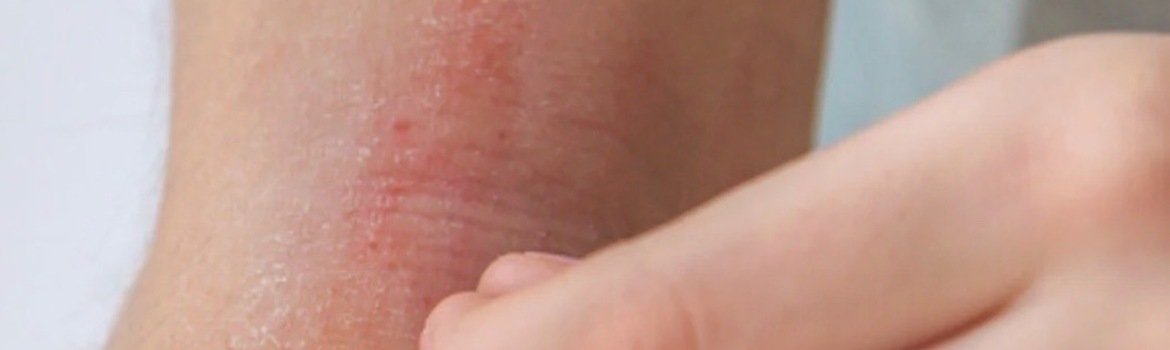
Don’t Let Cold Weather Harm Your Child’s Sensitive Skin
During the winter months, children’s sensitive skin faces significant challenges. Cold outdoor temperatures combined with dry indoor heating can disrupt the skin’s natural balance, causing it to become dry, irritated, rough, or even cracked. This period is especially difficult for children who have a chronic dry skin condition known as atopic dermatitis, more commonly referred to as eczema.
According to dermatologist Dr. Richard Antaya, Head of Pediatric Dermatology at Yale Medicine, atopic dermatitis affects approximately 17% of children. Most experience their first symptoms before the age of five, often already in infancy. Although the exact cause of the condition is unknown, doctors emphasize that eczema is linked to a damaged skin barrier, known as the stratum corneum.
A healthy stratum corneum is essential because it acts as a protective barrier between the body and external factors. It shields the skin from bacteria, irritants, sunlight, and chemicals, while also helping to retain moisture. In children with atopic dermatitis, this barrier functions poorly: the skin loses water more quickly, becomes more sensitive to irritation, and is more vulnerable to infections. Increased skin dryness during winter often triggers eczema flare-ups.
“Atopic dermatitis is hereditary and more common in families with a history of eczema, allergies, hay fever, or asthma,” explains Dr. Antaya. Skin lesions may appear on the arms or legs, but in children the face is often affected.
There is currently no cure for eczema. Dry, irritated, uneven patches of skin can crack and become intensely itchy, and scratching further damages the skin barrier, increasing the risk of infection. However, appropriate care and treatment can significantly ease symptoms.
“When a child has atopic dermatitis, their sleep is often disrupted, which affects the entire family,” says Dr. Antaya. She notes that in many cases, once proper treatment is started, symptoms improve within four to five days and the child begins sleeping better.
Fragranced skincare products, rough fabrics such as wool or polyester, heat, and sweating are common triggers of eczema flare-ups. The tips below can help manage these irritants and are beneficial not only for children with eczema, but also for all children with dry or sensitive skin.
The American Academy of Dermatology states that daily baths or showers are not necessary for children aged 6–11. Bathing too frequently can increase water loss from the skin and worsen dryness.
Recommendations:
Bathe children only as often as needed for hygiene.
Limit bath or shower time to 5–10 minutes.
Use lukewarm, not hot, water—heat can intensify itching.
After bathing, gently pat the skin dry with a towel instead of rubbing.
“An overly ‘squeaky clean’ feeling often means too many of the skin’s natural protective oils have been removed,” notes dermatologist Dr. Sara Perkins.
Recommended practices:
Use soap-free, fragrance-free cleansers.
Avoid bubble baths.
Do not use deodorizing or scented soaps.
Choose products approved by the National Eczema Association.
Thick moisturizers and emollients are a cornerstone of dry skin care. Early and consistent moisturizing helps strengthen the skin barrier.
Tips:
Apply moisturizer at least twice daily.
After bathing, apply cream within three minutes while the skin is still damp.
Choose fragrance-free products designed for sensitive skin.
Fragrances and chemical residues on clothing can irritate sensitive skin.
Recommendations:
Avoid scented detergents and fabric softeners.
Always wash new clothes before first use.
Choose 100% cotton or silk fabrics.
Avoid wool and polyester.
Dress children in layers to prevent overheating.
If you suspect your child’s skin problems are more than simple dryness, consult a dermatologist. It is best to schedule the visit during a flare-up, as eczema is diagnosed through clinical evaluation.
A doctor may:
Prescribe topical anti-inflammatory creams.
Recommend medications to relieve itching.
Discuss advanced treatment options for more severe cases.
Most importantly, trust your instincts.
If your child is sleeping poorly, scratching constantly, or their skin condition is worsening, do not delay seeing a specialist. Proper care can significantly improve your child’s comfort and well-being at any time of year.