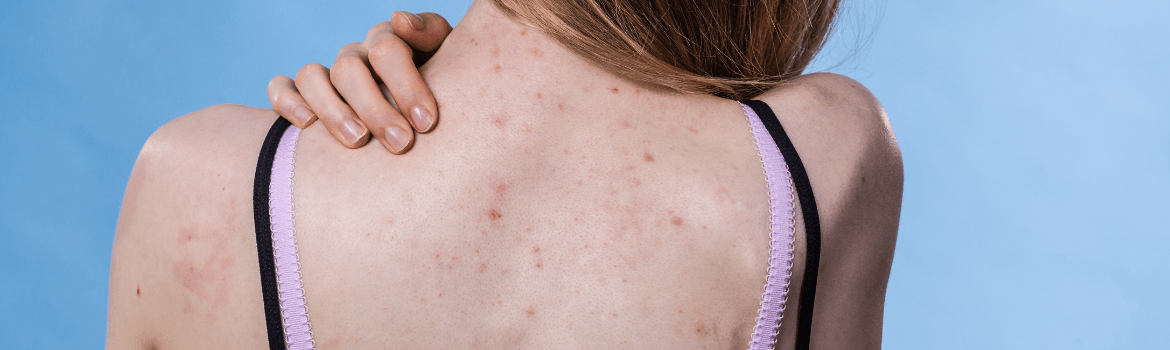
Acne is a common condition that usually occurs in areas of the skin where there are many oil-producing glands, such as on the face, chest, and back.
Back pimples or “back acne” is a general term for blackheads, spots, whiteheads, or pus-filled bumps called cysts that appear on the back.
Treatment for back acne depends on how severe it is. Back acne can be treated with over-the-counter skincare products and cosmetics, prescription medicines, or other treatment methods such as light therapy.
In this article, we will look at what back acne is, what causes it, and how to treat it.
Back acne is various types of spots or cysts that appear on the back. Generally, acne is considered to include:
Blackheads: bumps with a dark spot in the center.
Whiteheads: each bump has a white center.
Papules: each bump does not have a distinct head.
Cysts: painful and tender bumps similar to boils. This is a severe form of acne.
Back acne is not considered a distinct health condition; however, compared with acne on the face, treating back acne has unique challenges. For example, it can be too difficult to see and reach the spots to be able to treat them effectively.
Like the chest and face, the skin on the back has many sebaceous glands. They produce sebum, an oily, waxy substance that maintains healthy skin.
Sebaceous glands are attached to body hair follicles or skin pores. If oil or dead skin cells clog the pores, the sebum produced by the sebaceous glands cannot reach the skin’s surface. This blockage can cause inflammation or lead to a prolonged presence of bacteria in the pores. This is how pimples develop on the back.
Back skin lesions can also be caused by a type of yeast called Malassezia. These lesions often look similar to acne. A damp, sweat-filled environment is an excellent medium for yeast growth, and since the back is constantly covered by clothing, backpacks, and other items, this can be an ideal environment for these yeasts to grow.
If yeast enters the hair follicles, it can cause a condition called folliculitis. Therefore, if antibacterial treatment does not reduce the pimples on your back, it may be that you have folliculitis rather than acne.
There are several ways to deal with pimples, here are a few of them:
According to the American Academy of Dermatology Association (AAD), people with mild to moderate back acne may benefit from combining acne-friendly skincare with over-the-counter products designed to treat acne.
An acne-prone skin care plan usually consists of the following cosmetic and therapeutic products:
Cleansers: wash the skin with a gentle, non-irritating cleanser every day and after you sweat. Avoid harsh soaps and astringents that tighten pores and do not scrub the pimples, as this worsens inflammation. If acne flares up, you can use a wash containing benzoyl peroxide. This ingredient kills bacteria and helps reduce breakouts. Benzoyl peroxide works best if you leave it on the skin for a few minutes before rinsing. Look for a concentration of about 5.3%, as higher amounts can irritate the skin. You may also need to consider whether you are using the right shampoos and other hair-care cosmetics and products. If any of these products are unsuitable for your skin, they can cause irritation as they run down onto the back.
Over-the-counter therapeutic creams and gels: to reduce pimples, you can also try skincare products and cosmetics that, in addition to benzoyl peroxide, contain 0.1% retinoid. Many over-the-counter cosmetic products, such as creams, contain retinoids. Another option is adapalene gel. Doctors recommend using it after a shower and before bed. You can use applicators – they will help you reach hard-to-see areas on the back.
Moisturizers: if the skin on your back is dry or tight, especially after a shower or bath, you can use moisturizing cosmetics, such as an oil-free moisturizing cream. Look for products that are non-comedogenic. This means they do not clog pores.
Sunscreen: sun exposure can cause acne-affected areas of skin to darken and make pimples more noticeable. UV rays can also be a reason why acne and pimples on the back do not go away for a very long time. When your back is exposed, always use a non-comedogenic sunscreen with an SPF of 30 or higher.
If home back-care routines and over-the-counter medicines and therapeutic cosmetics do not help, and if the skin condition is severe, it is recommended to consult a dermatologist. The doctor may recommend stronger versions of retinoid or benzoyl peroxide products applied directly to the pimples or, for example, antibiotic creams.
You can also start taking oral contraceptives after consulting a dermatologist: if acne is related to the menstrual cycle, they can reduce the amount of sebum and oil produced by the skin.
Oral antibiotics such as doxycycline and erythromycin can reduce the number of acne-causing bacteria on the skin. Dermatologists usually recommend taking such medicines for as short a time as possible, because excessive use can lead to antibiotic resistance, and antibiotics can destroy healthy gut bacteria.
Isotretinoin: this powerful medicine treats all four causes of acne: excess oil, inflammation, clogged pores, and bacteria. It is a very effective treatment method – in about 85 percent of people taking isotretinoin, pimples disappear after one course and acne clears up permanently. However, it can cause serious side effects, such as suicidal thoughts, aggression, difficulty moving the limbs, and severe skin rash.
You can also try anti-androgen therapy – taking special medicines that suppress testosterone release. Dermatologists may recommend this treatment method for women whose bodies do not respond to oral contraceptives or for those who have polycystic ovary syndrome.
Another method of treatment that a dermatologist can recommend to a patient is light therapy performed with a laser or light beam. This means that the skin is exposed to a special light for a certain period of time.
Light therapy can be of various types:
Red, blue, or infrared light therapy can treat pimples, but not whiteheads, blackheads, cysts, or nodules.
Photopneumatic therapy can help unclog pores – it treats whiteheads but not cysts.
Photodynamic therapy can be very successful in treating large, prominent pimples, but it is more expensive.
At-home light therapy devices can treat pimples, but their light is less intense than that used by a dermatologist. For rashes that leave noticeable scars, a dermatologist may use procedures such as laser treatment, microneedling, or chemical peels. These procedures also help reduce scars and make them less visible to the naked eye.
An acne-appropriate care plan developed by the American Academy of Dermatology can help prevent back pimples and even treat them. A gentle cleanser, a non-comedogenic moisturizer, and proper sun protection may be all your skin needs.
Other skincare strategies that can help prevent pimples and skin irritation or reduce their occurrence include:
regularly washing bedding, towels, and pillowcases
regularly washing clothes, especially tight-fitting ones such as bras
avoiding items that rub against the back, such as backpacks
exercising and playing sports only while wearing loose-fitting clothing made from natural fibers such as cotton
showering or wiping the skin with a damp cloth and changing clothes immediately after a workout
washing sports clothing and equipment after each use
Many people suffer from acne. The risk of developing pimples or factors that promote them include:
Puberty: teenagers often have pimples, most likely due to increased testosterone levels during puberty. Testosterone plays a key role in stimulating the growth and development of the testes and penis in males and in maintaining bone and muscle strength in females. Experts believe that testosterone can cause sebaceous glands to produce too much oil and sebum, increasing the likelihood of clogged pores. Breakouts may lessen in adulthood.
Genetic predisposition: if both parents had acne or still have it, there is a high probability that their children will also develop pimples and acne breakouts. There is also a greater likelihood that children will develop acne at an early age. And if a person’s parents had acne as adults, that person may also be more likely to notice breakouts after reaching adulthood.
Sex: acne occurs more often in women than in men – it is believed that this is influenced by female sex hormones, which fluctuate during the menstrual cycle, pregnancy, and menopause. In addition, polycystic ovary syndrome, which leads to higher testosterone levels in women, can cause oily skin and pimples.
Other causes of pimples may include:
Use of certain medicines, such as steroids and some forms of hormonal contraception
Comedogenic cosmetic products
Regularly worn and carried items, such as backpacks, that rub against or irritate acne-affected skin areas
There is also some evidence that dietary factors can worsen or ease acne. Some studies have shown that foods with a low glycemic index may reduce pimples.
In addition, some studies have shown that drinking cow’s milk may also promote acne. However, this link is not clear, and there is no evidence that other dairy products, such as yogurt or cheese, cause pimples.
Back pimples or acne occur when dead skin cells and sebum produced by the sebaceous glands clog the pores and cause inflammation. Back acne can be harder to see and treat. However, there are various effective over-the-counter and prescription preparations and cosmetic products, and applicators can also help.
To prevent pimples or reduce their size and number, you should care for your skin regularly and gently. It is also a good idea to change clothes if you sweat, change bedding regularly, and avoid irritating soaps and other products that touch the skin.
In addition, back acne can worsen if a person regularly wears items that rub against the pimples, such as a backpack.
If the pimples are large, numerous, and persistent, consult a dermatologist. Some acne-like skin lesions are caused by various health problems and therefore need to be treated differently.