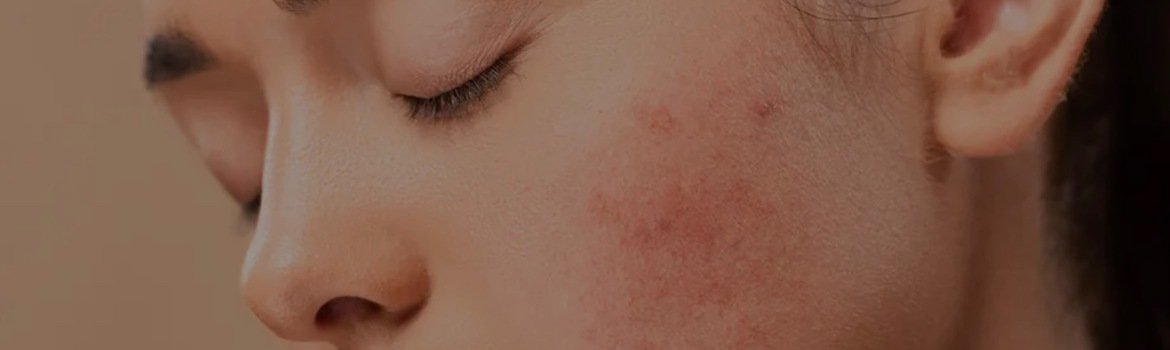
Your skin contains thousands of tiny openings called pores. Through them, the skin “breathes,” but they can also become places where oil (sebum), bacteria, dead skin cells, and environmental impurities accumulate. When pores become clogged, pimples form—redness or raised spots that may appear individually or in clusters.
When pimples occur frequently, appear several at a time, or begin to spread, the condition is called acne. Acne is not just an occasional pimple but a chronic skin condition that can affect both teenagers and adults.
Acne is one of the most common skin conditions worldwide. Research indicates that around 9.4% of the global population is affected. Although acne is not life-threatening, it can cause physical discomfort and pain and, over time, may lead to scarring. In addition, acne often affects emotional well-being, self-esteem, and overall quality of life—especially when lesions appear on the face or other visible areas.
It is important to emphasize that acne is manageable and treatable. Modern dermatology and skincare solutions make it possible to reduce the number of breakouts, improve skin condition, and lower the risk of scarring.
Several different types of pimples can occur with acne. They are divided into non-inflammatory and inflammatory lesions.
Non-inflammatory pimples (comedones)
Blackheads (open comedones) are pores that open to the skin’s surface. Their dark color is not caused by dirt but by a reaction between oxygen and substances in the pore.
Whiteheads (closed comedones) are small, flesh-colored bumps beneath the skin’s surface that are not yet inflamed.
Inflammatory pimples
Papules are small, red, tender bumps caused by inflammation.
Pustules are red pimples with a pus-filled tip.
Nodules are firm, deep, often painful lumps beneath the skin.
Cysts are large, pus-filled lesions under the skin that often leave scars.
Pimples most commonly appear on:
the face and neck,
the back,
the shoulders,
the chest.
Acne may present not only as pimples but also as:
uneven, rough skin texture,
redness and inflammation,
swelling,
pain or tenderness,
changes in skin color, including hyperpigmentation.
It is important to avoid squeezing pimples, as this increases the risk of infection and scarring. A single pimple may take anywhere from a few days to several weeks to heal, and untreated acne can persist much longer.
Acne develops when natural skin processes are disrupted:
the sebaceous glands produce too much sebum,
dead skin cells accumulate in pores,
bacteria multiply.
Each pore is connected to a hair follicle and a sebaceous gland. When sebum cannot flow out properly, it creates an environment where bacteria thrive, leading to inflammation.
The development or worsening of acne may be influenced by:
hormonal changes (puberty, pregnancy),
polycystic ovary syndrome (PCOS),
smoking,
stress and lack of sleep,
oily or pore-clogging cosmetic products,
certain medications,
genetic predisposition.
Diet may also affect skin condition. For some people, dairy products or high-glycemic foods can worsen acne, while a balanced diet helps support skin balance.
If pimples recur frequently or become more severe, it is recommended to consult a dermatologist. A specialist can assess the skin, identify the types of lesions, and create an individualized treatment plan.
Acne treatment options
Mild acne
Often manageable with over-the-counter products such as:
cleansers containing salicylic acid,
products with benzoyl peroxide,
topical gels and creams.
Moderate acne
Prescription treatments, antibiotics, or retinoids may be recommended under medical supervision.
Severe acne
Requires a comprehensive approach that may include medications, procedures, and long-term dermatological care.
Pregnancy and acne treatment
Some acne medications are not safe during pregnancy. If you are planning to become pregnant or are already pregnant, it is essential to consult a doctor about suitable alternatives.
Natural and supportive skincare options
Not all home remedies are effective, but certain ingredients may help support skin balance:
tea tree oil,
aloe vera,
honey,
green tea.
Green tea contains antioxidants and flavonoids that help reduce inflammation and sebum production. Studies show that using a 2–3% green tea extract can significantly reduce oil secretion and the number of pimples.
Cleanse your skin regularly with gentle, oil-free cleansers.
Choose non-comedogenic cosmetics.
Always remove makeup before bed.
Wash your face after physical activity.
Avoid touching or squeezing pimples.
Maintain a balanced diet and adequate hydration.
Reduce stress.