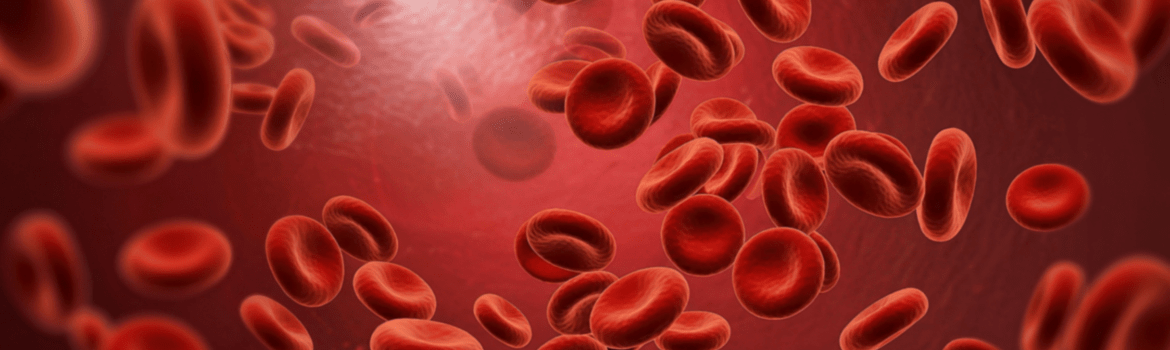
Your body’s circulatory system is responsible for transporting blood, oxygen, and nutrients throughout the body. When blood flow to a specific area is reduced, symptoms of poor circulation may occur. Poor circulation most commonly affects the extremities, such as the legs and arms.
Poor blood circulation does not develop on its own. It is usually caused by underlying health conditions, which is why it is important to treat not only the symptoms but also the root causes. Several conditions can impair circulation, with the most common being obesity, diabetes, heart disease, and arterial problems.
The most common symptoms of poor circulation include:
tingling
numbness
throbbing or stinging pain in your limbs
pain
muscle cramps
Each condition that might lead to poor circulation can also cause unique symptoms. For example, people with peripheral artery disease may have erectile dysfunction along with typical pain, numbness, and tingling.
There are several different causes of poor circulation.
Peripheral artery disease
Peripheral artery disease (PAD) can lead to poor circulation in your legs. PAD is a circulatory condition that causes narrowing of the blood vessels and arteries. In an associated condition called atherosclerosis, arteries stiffen due to plaque buildup in the arteries and blood vessels. Both conditions decrease blood flow to your extremities and can result in pain. Over time, reduced blood flow in your extremities can cause:
numbness
tingling
nerve damage
tissue damage
If left untreated, reduced blood flow and plaque in your carotid arteries may result in a stroke. Your carotid arteries are the major blood vessels that deliver blood to your brain. If plaque buildup takes place in the arteries in your heart, you’re at risk of having a heart attack. PAD is most common in adults over age 50, but it can also occur in younger people. People who smoke are at a higher risk for developing PAD early in life.
Blood clots
Blood clots block the flow of blood, either partially or entirely. They can develop almost anywhere in your body, but a blood clot that develops in your arms or legs can lead to circulation problems. Blood clots can develop for a variety of reasons, and they can be dangerous. If a blood clot in your leg breaks away, it can pass through other parts of your body, including your heart or lungs. It may also lead to a stroke. When this happens, the results may be serious, or even deadly. If discovered before it causes a larger problem, a blood clot can often be treated successfully.
Varicose veins
Varicose veins are enlarged veins caused by valve failure. The veins appear gnarled and engorged, and they’re most often found on the back of the legs. The damaged veins can’t move blood as efficiently as other veins, so poor circulation may become a problem. Although rare, varicose veins can also cause blood clots. Your genes largely determine whether or not you’ll develop varicose veins. If a relative has varicose veins, your risk is higher. Women are also more likely to develop them, as are people who are overweight or obese.
Diabetes
You may think diabetes only affects your blood sugar, but it can also cause poor circulation in certain areas of your body. This includes cramping in your legs, as well as pain in your calves, thighs, or buttocks. This cramping may be especially bad when you’re physically active. People with advanced diabetes may have difficulty detecting the signs of poor circulation. This is because diabetic neuropathy can cause reduced sensation in the extremities (may occur diabetic foot). Diabetes can also cause heart and blood vessel problems. People with diabetes are at an increased risk for atherosclerosis, high blood pressure, and heart disease.
Obesity
Carrying around extra pounds puts a burden on your body. If you’re overweight, sitting or standing for hours may lead to circulation problems. Being overweight or obese also puts you at an increased risk for many other causes of poor circulation, including varicose veins and blood vessel problems.
Raynaud’s disease
People who experience chronic cold hands and feet may have a condition called Raynaud’s disease. This disease causes the small arteries in your hands and toes to narrow. Narrowed arteries are less capable of moving blood through your body, so you may begin experiencing symptoms of poor circulation. The symptoms of Raynaud’s disease commonly occur when you’re in cold temperatures or feeling unusually stressed. Other areas of your body can be affected besides your fingers and toes. Some people will have symptoms in their lips, nose, nipples, and ears. Women are more likely to develop Raynaud’s disease. Also, people who live in colder climates are more likely to have it.
Since poor circulation is symptomatic of numerous conditions, diagnosing the condition will help your doctor diagnose the symptoms. It’s important to first disclose any known family history of poor circulation and any related diseases. This can help your doctor better assess your risk factors, as well as determine which diagnostic tests are most appropriate. Aside from a physical exam to detect pain and swelling, your doctor may order:
an antibodies blood test to detect inflammatory conditions, such as Raynaud’s disease
a blood sugar test for diabetes
blood testing to look for high levels of D dimer in the case of a blood clot
an ultrasound or CT scan
blood pressure tests including testing of the legs
Treatment for poor circulation depends on the condition causing it. Methods may include:
compression socks for painful, swollen legs
special exercise program recommended by your doctor to increase circulation
insulin for diabetes
laser or endoscopic vein surgery for varicose veins
Medications may include clot-dissolving drugs, as well as blood-thinners depending on your condition. Alpha blockers and calcium channel blockers are used to treat Raynaud’s disease.
You should discuss possible symptoms of poor circulation with your doctor. If you’re having uncomfortable symptoms, they may signal an underlying condition. Untreated conditions can lead to serious complications. Your doctor will work to determine the cause of your poor circulation and treat the underlying issue.
When caught early, diseases that lead to poor circulation are treatable. Left untreated, poor circulation may indicate a disease is in a progressive state. Life-threatening complications, such as loose blood clots, can also occur if the condition is not properly treated. Work with your doctor to start a comprehensive treatment plan that also includes a healthy lifestyle.
https://www.healthline.com/health/poor-circulation-symptoms-causes