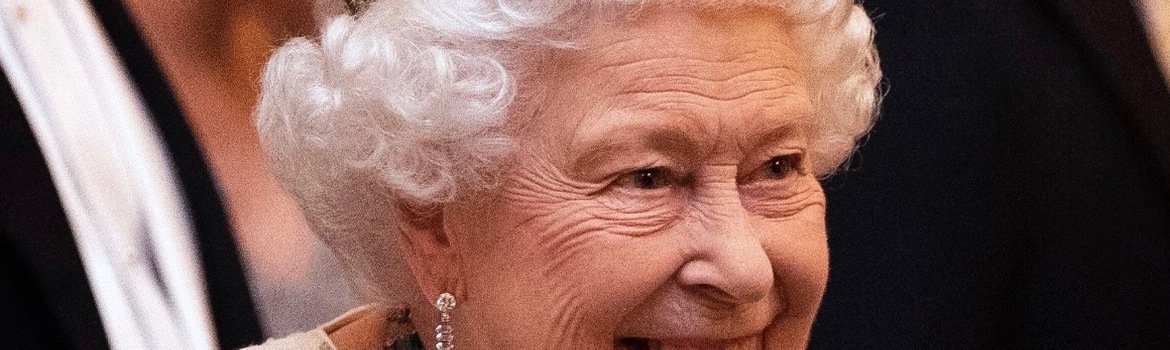
On September 8, 2022, the world bid farewell to the longest-reigning monarch in British history, Queen Elizabeth II. She was 96 years old. While the exact cause of death was not publicly disclosed, Buckingham Palace confirmed that the Queen had been under medical supervision at her home in Balmoral, Scotland, and that doctors had expressed concern about her health. Members of the Royal Family had gathered at Balmoral during her final hours.
In a later official statement, the Royal Family announced that the Queen passed away peacefully at Balmoral. The King and the Queen Consort remained there overnight before returning to London the following day. Queen Elizabeth II was born on April 21, 1926, and ascended the throne in 1952 at the age of just 25, following the death of her father, King George VI.
For most of her life, Queen Elizabeth II was regarded as a symbol of good health and vitality. Over the past two decades, she had required hospital care only a few times. However, in the final years of her life, age-related health challenges became more apparent.
In late February 2022, the Queen contracted COVID-19. According to healthcare professionals, she experienced fatigue and exhaustion, though she continued to carry out some duties remotely. In mid-April, she welcomed Prince Harry and the Duchess of Sussex at Windsor Castle—their first visit following their departure from royal duties—prompting public speculation about her declining health.
That same year, the Queen missed several traditional public engagements, including Easter Sunday services at St. George’s Chapel, citing mobility and travel difficulties. Nevertheless, just days before her passing, she officially received the newly appointed Prime Minister, Liz Truss, at Balmoral.
A more noticeable decline in health reportedly began after the death of her husband, Prince Philip, in April 2021. Later that year, she cancelled a planned trip to Northern Ireland due to fatigue and was briefly admitted to hospital for observation. Although no official diagnosis was disclosed, her public appearances were significantly reduced thereafter.
Despite her royal status and access to luxury, Queen Elizabeth II was known for a relatively modest and structured lifestyle. She rarely spoke publicly about her diet, exercise, or sleep habits, yet multiple accounts suggest her daily routine was defined by consistency and moderation.
According to former royal chef Darren McGrady, the Queen’s diet remained largely consistent over the years. She typically began her day with a cup of black Earl Grey tea, followed by breakfast consisting of cereal, yogurt, and toast with marmalade. When not attending official engagements, lunch and dinner were simple and protein-focused—often featuring chicken, fish, or occasionally game—usually without heavy starchy sides.
Despite her discipline, the Queen allowed herself small daily indulgences, such as afternoon tea with sandwiches and cake, dark chocolate, and for many years, a modest evening drink such as a Dubonnet cocktail. In her later years, however, doctors advised her to limit alcohol consumption.
Rather than following a formal exercise regimen, Queen Elizabeth II incorporated physical movement naturally into her daily life. Walking her beloved corgis and horseback riding on royal estates were long-standing habits that provided both physical activity and emotional balance.
She also maintained a regular sleep schedule, aiming to go to bed around 11 p.m. and wake up at approximately 7:30 a.m.
The Queen’s daily life was marked by clear structure. From the moment she ascended the throne, she devoted time each day to reviewing the famous “red box” of state documents. Reading, staying informed, and processing official information remained central elements of her routine.
Author Bryan Kozlowski has noted that her lifestyle was built on simple yet effective principles: having a purpose, maintaining mental engagement, allowing time for rest, and preserving balance between duty and personal well-being.
Strong emotional bonds also played a key role in her overall well-being. Queen Elizabeth II often described Prince Philip as her greatest support. Research consistently shows that stable, supportive relationships can positively influence both physical and mental health.
Equally significant was her lifelong decision never to smoke. Having witnessed the effects of smoking-related illnesses within her family, the Queen consciously avoided tobacco throughout her life.
Queen Elizabeth II’s longevity was likely the result of multiple interconnected factors: balanced nutrition, regular natural movement, sustained mental activity, a structured daily routine, meaningful emotional connections, and mindful lifestyle choices. These principles closely align with modern wellness and healthy-aging recommendations and continue to serve as inspiration for those seeking long-term well-being and quality of life.