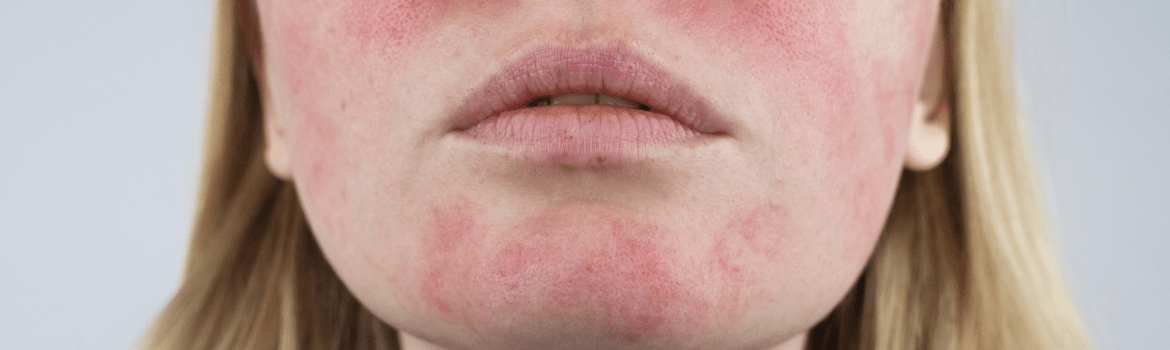
Skin flushing occurs when blood flow to the skin increases due to certain conditions, illnesses, or medications. When more blood rushes to an area—such as the cheeks—the blood vessels expand. This rise in blood flow creates a “flushed” appearance. You may also feel warmth around the neck, upper chest, or face. On lighter skin tones, this can appear as visible red patches, while on darker skin tones, flushing may be less noticeable or appear as discoloration or darkening of the area.
Flushing is a common physical reaction to anxiety, stress, embarrassment, anger, or other intense emotions. Facial flushing is usually a cosmetic concern rather than a medical one. However, it can sometimes be caused by an underlying condition, such as Cushing’s syndrome. You should consult a healthcare professional if skin flushing happens repeatedly.
Flushing often signals confusion, anxiety, or overheating. It occurs when hundreds of tiny blood vessels beneath the skin dilate and rapidly fill with blood, making the skin look red or pink. This effect is most noticeable in areas where blood vessels lie close to the surface—like the cheeks or chest. Flushed skin may also feel warm or slightly burning to the touch.
Still, occasional flushing is not usually a serious issue unless it becomes frequent. Here’s how to tell when flushing may indicate a deeper health concern—and what you can do to reduce it.
When people feel anxious, they may blush. When a person gets too hot, blood vessels dilate in an attempt to cool the body. This reaction can also cause reddening of the skin. Exercise, intense physical activity or sudden changes in temperature can have the same result. Redness that occurs due to physical exertion or being in a hot environment is usually not a cause for concern. However, people who are too hot should drink some water and focus on deep breathing. Red skin accompanied by other symptoms such as difficulty breathing, exhaustion or confusion may be a sign of a heat-related illness such as heat exhaustion or heatstroke.
Rosacea. Rosacea usually affects the face. It is a long-term skin condition that usually occurs on the face and can cause redness, acne, visible blood vessels and other skin problems. Rosacea often begins with flushing, and each bout of flushing may last a little longer than the last. Redness of the skin is caused by increased blood flow to the affected area, causing the skin to redden. This chronic skin condition goes through cycles of fading and relapsing. Relapses can be caused by eating spicy food, alcoholic beverages, sunlight, stress, intestinal bacteria Helicobacter pylori. There are four subtypes of rosacea and each has different symptoms. However, the same person may have symptoms of several subtypes. The most common of them are facial redness, skin bumps, facial skin discoloration, dry skin, skin sensitivity. The American Academy of Dermatology (AAD) says fair-skinned women between the ages of 30 and 50 are the most sensitive and prone to rosacea. Rosacea is a common condition that causes prolonged reddening of the skin, usually on the face. The condition usually starts with flushing, where the skin is temporarily reddened. These episodes of flushing may last longer as the rosacea progresses and may become permanent. Other symptoms may include spotting and a burning or stinging sensation in the affected areas. The cause of rosacea is not clear. However, in some people, certain factors can cause symptoms to flare up. Common triggers include stress, sun exposure, hot or cold temperatures, certain foods or drinks, and the use of certain medications. With treatment with topical medications and oral antibiotics, people can usually control the symptoms of rosacea.
Dermatitis. Dermatitis or eczema refers to a group of inflammatory skin diseases. These conditions usually cause red, itchy patches of skin where inflammation has developed. There are several types of dermatitis. Dermatitis can cause not only redness of the skin, but also many other symptoms. Fluid-filled blisters, hives, which form an itchy, swollen, red rash with dry, scaly, or bumpy skin may occur. The skin may peel, other skin color changes are observed.
Psoriasis. Psoriasis is a long-term condition that causes an overproduction of new skin cells, resulting in red, dry, crusty patches with silvery scales. These spots usually appear on the elbows, knees or scalp, but can appear anywhere on the body. Psoriasis symptoms occur in cycles.
Lupus. Lupus is a chronic condition in which the immune system mistakenly attacks the body's organs and tissues. The disease can affect any part of the body, including the skin. Some people with lupus develop a rash on the face, neck, and scalp. These are usually butterfly-shaped areas of red, swollen skin.
Endocrine disorders. The endocrine system consists of glands that produce hormones, which are chemical messengers that send information from one area of the body to another. These hormones travel through the bloodstream and help regulate various body functions. When the body produces too much or too little of a hormone, it disrupts its internal communication. Some endocrine disorders cause these hormonal changes, which can cause many symptoms. Any endocrine disorder that produces high levels of hormones that affect stress, blood pressure, or blood vessel dilation can cause flushing. For example, Cushing's syndrome causes the body to produce too much cortisol, which can lead to weight gain around the chest and stomach, diabetes, heart problems, and flushing.
Medicines. Certain medications can cause skin flushing as a side effect in some people. These drugs may include some antibiotics, calcium channel blockers, vasodilators, nitrates, nicotinic acid, tamoxifen, thyroid-regulating drugs. If a person is concerned about skin redness caused by certain medications, the doctor may recommend an alternative medication.
It's not always easy to prevent skin redness, but it can help:
avoid extreme temperatures and dress appropriately for the weather drink plenty of fluids to avoid overheating and dehydration,
maintain a healthy weight and blood pressure by exercising regularly and eating a healthy, balanced diet, limiting alcohol consumption
and learn relaxation techniques such as breathing exercises, mindfulness and meditation to manage stress
treat any underlying medical condition that may cause reddening of the skin
Reddish skin is usually harmless, but sometimes it can be a sign of an underlying condition. It's best to see your doctor if the flushing becomes more frequent or worse, doesn't seem to be related to heat, exercise, or emotional reactions, and occurs along with other unexplained symptoms, such as diarrhea or palpitations.
Reddened skin occurs when the blood vessels just under the skin dilate and fill with more blood. For most people, occasional flushing is normal and can be caused by excessive heat, exercise or emotional reactions. Red skin can also be a side effect of alcohol or certain medications. Sometimes flushing can be a sign of an underlying medical condition, such as rosacea, cancer, or an endocrine disorder. People whose redness seems to be getting worse, is accompanied by other symptoms, or has no obvious cause should see a doctor.
Treating any underlying conditions causing the redness is often the best course of action. For example, the NHS says a doctor may recommend medication or a course of psychotherapy to reduce feelings of anxiety if this is the cause. Avoiding high-stress situations can also help prevent flushing.
The redness usually does not cause serious medical problems, but it can cause embarrassment or social exclusion. However, in some cases, a serious condition may be the underlying cause of the redness. Without treatment, the underlying condition can lead to complications. Both the dryness of the skin, which also causes the skin to become red, and the redness of the skin due to weak and damaged capillaries are signs that such skin needs special care. And those tools like creams or lotions may have to be changed and new ones chosen. Those measures that reduce redness of the skin, not only due to dry skin, redness formed by the capillary network or skin diseases such as dermatitis, psoriasis, eczema or rosacea, will be suitable. Consult your doctor or pharmacist for daily care products for reddened skin.