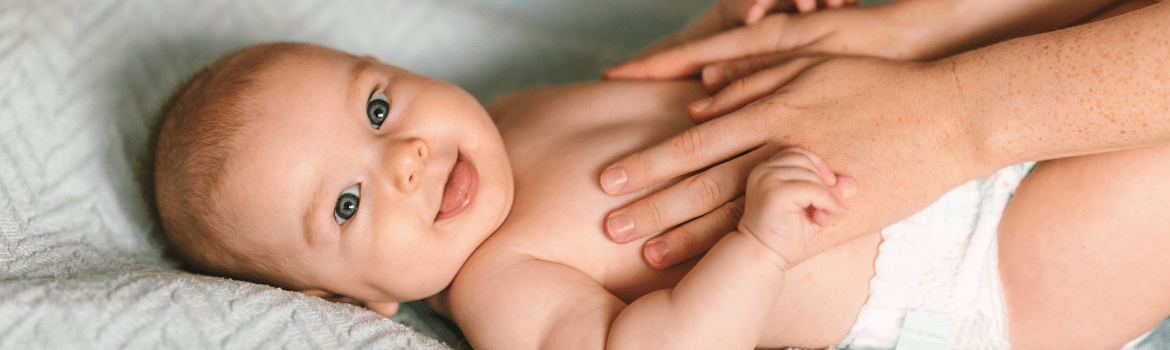
Below are the most important tips to help ensure that your baby’s skin remains healthy, smooth, and properly cared for.
1. Protect Your Baby From Sun Exposure
Whenever possible, limit your baby’s time in direct sunlight. When going outdoors, it is important to protect your baby’s skin in all seasons, even during winter.
According to recommendations from the Food and Drug Administration (FDA), sunscreen is not recommended for babies under 6 months of age. Instead, it is advised to:
-
keep your baby in the shade,
-
put a hat on your baby that covers the neck and ears,
-
dress your baby in loose, lightweight clothing that covers the arms and legs,
-
avoid being outdoors between 10 a.m. and 4 p.m., when ultraviolet (UV) rays are strongest.
It is also important to ensure proper hydration—through breast milk or formula—if you spend more than a few minutes outdoors.
The American Academy of Pediatrics (AAP) recommends that babies older than 6 months use sunscreen with an SPF of at least 15. If you have questions about choosing an appropriate sunscreen, it is always best to consult your child’s doctor.
2. Pay Attention to Dry Skin
Not all babies need daily moisturizing. During the first few weeks after coming home, small patches of dry skin are normal and often resolve on their own.
If the skin becomes very dry or starts to crack, petroleum jelly–based products or fragrance-free, dye-free moisturizing lotions may be used. Although natural plant oils (such as olive, coconut, or sunflower oil) are sometimes used as moisturizers, some evidence suggests that in certain cases they may worsen dry skin or eczema.
3. Bathe Your Baby According to Recommendations
Babies should be bathed regularly, but daily bathing is not necessary. Between baths, a soft cloth and lukewarm water are sufficient to clean the hands, face, and genital area.
The AAP and Kaiser Permanente recommend the following bathing guidelines:
-
never leave your baby unattended,
-
use lukewarm, not hot, water,
-
bathe your baby in a warm room,
-
limit bath time to 5–10 minutes,
-
wash the eyes and face with water only,
-
use baby cleansers that are free from fragrances and dyes.
After bathing, gently pat your baby’s skin dry before putting on diapers or clothing.
4. Don’t Panic About Cradle Cap
Cradle cap is a common and harmless skin condition in babies, usually appearing between 3 weeks and 3 months of age. Yellowish, greasy flakes may appear on the scalp, forehead, eyebrows, or around the ears.
In most cases, this condition resolves on its own. Before bathing, you may apply a small amount of a softening agent (such as mineral oil) to the scalp, then gently wash it with a baby shampoo. If there is no improvement, consult your baby’s doctor.
5. Avoid Triggers of Contact Dermatitis
Contact dermatitis occurs when the skin reacts to certain substances. It may present as redness, swelling, dryness, or peeling skin.
Common irritants include:
-
saliva,
-
urine,
-
soaps and detergents,
-
lotions,
-
dyes,
-
fragrances,
-
cosmetics,
-
latex,
-
certain metals.
Treatment usually includes:
-
dressing the baby in loose clothing and avoiding rough fabrics,
-
using fragrance-free and dye-free moisturizers,
-
giving short daily baths with lukewarm water,
-
avoiding the known trigger, if identified.
If the cause is unclear, consult a healthcare professional.
6. Monitor Your Baby’s Nails
Although baby nails are small and thin, they can still be sharp. To prevent scratches, nails should be trimmed or filed regularly—often once a week or more.
The safest time to do this is when your baby is asleep or very calm, using a non-metal nail file or baby nail clippers.
7. Help Prevent Heat Rash
Heat rash can occur if your baby becomes overheated. It usually appears in skin folds or areas where clothing rubs against the skin and looks like small red spots.
To relieve symptoms, cool the skin, avoid greasy products, and use a cool bath or a damp cloth. If the rash does not improve within three days, signs of infection appear, or your baby develops a fever, contact a doctor.
8. Umbilical Cord Care
During the first weeks of life, the umbilical cord stump remains attached to the navel. It should be kept clean and dry until it falls off naturally, usually within 1–3 weeks.
Do not apply any substances or attempt to remove it forcibly. Contact your baby’s doctor if you notice pus, redness, swelling, fever, or an unpleasant odor.
Summary
The skin is the largest organ of a baby’s body, so proper care is essential. It should be kept clean, protected from the sun, and cared for without overloading it with unnecessary products.
If a rash appears with fever, signs of infection develop, or the skin condition does not improve after a few days, it is recommended to consult your baby’s doctor for further guidance.